Introduction
Today’s classrooms are filled with technology, and AI tools students are using have transformed how essays, assignments, and research are completed. From paraphrasing essays to generating citations in seconds, these tools promise speed and accuracy.
But here’s the catch: while AI tools like paraphrasers, summarizers, and plagiarism checkers are useful, misuse could lead to academic dishonesty or penalties. That’s why it’s important for students to know which AI tools are safe, and how to use them responsibly with platforms like Kreativespace.
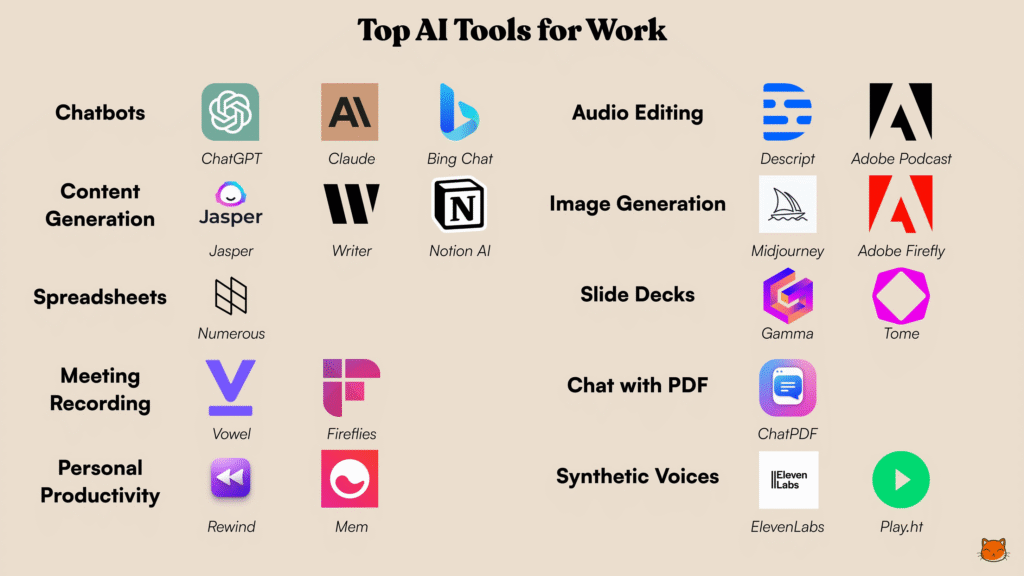
What Types of AI Tools Are Students Using?
Paraphrasing Tools
Paraphrasers reword sentences to improve clarity or avoid repetition. The KreativeSpace Paraphraser ensures originality while keeping meaning intact.
Summarizers
Summarizers condense long texts into main points. The KreativeSpace Summarizer helps students review research articles faster.
Grammar Checkers
Grammar and fluency matter in academic work. The KreativeSpace Grammar Checker corrects errors and improves readability.
Plagiarism Checkers
Students use plagiarism tools to confirm originality before submitting. The KreativeSpace Plagiarism Checker identifies overlaps with published sources.
AI Detectors
Educators rely on AI detectors to check if text was generated by AI. Students use the KreativeSpace AI Detector to confirm that essays pass authenticity checks.
AI Humanizers
When essays sound robotic, humanizer tools like the KreativeSpace AI Humanizer make writing flow more naturally.
Why Students Turn to AI Tools
- Speed and efficiency – AI condenses hours of editing into minutes.
- Accuracy – Tools like citation generators ensure proper formatting.
- Accessibility – Free or affordable AI tools are available online.
- Competitive pressure – Many students worry about keeping up with peers already using AI.
Outbound education reports suggest that over 60% of students use at least one AI tool in their studies, often without realizing the risks.
Risks of Over-Reliance on AI Tools
Academic Integrity Concerns
Schools increasingly monitor for AI-written essays. Submitting fully AI-generated work is considered plagiarism.
False Security
Not all AI tools are accurate. Poorly designed paraphrasers may leave plagiarized structures intact, while low-quality detectors may misclassify human work as AI.
Loss of Learning
AI should support—not replace—critical thinking. Overusing AI tools may weaken writing and analysis skills.
Detection by Instructors
Teachers now use AI detection systems that highlight unusual patterns. Over-reliance makes it easier to spot suspicious essays.
How to Use AI Tools Safely
- Support, don’t substitute – Use AI to refine your ideas, not to write the entire essay.
- Verify originality – Always run text through a Plagiarism Checker.
- Humanize AI content – Use the AI Humanizer to keep essays natural.
- Check readability – Run drafts through a Grammar Checker before submission.
- Cite properly – Rely on a Citation Generator to maintain accuracy.
These steps keep students compliant with academic rules while benefiting from AI assistance.
Which AI Tools Should Students Avoid?
- Essay generators that produce entire papers without citations.
- Undocumented paraphrasers that don’t guarantee originality.
- Low-quality detectors that mislabel content and cause false accusations.
Using unreliable AI software may do more harm than good. Outbound discussions from educators warn that free “black box” tools may expose students to plagiarism.
Ethical Use vs Cheating
The line between AI support and cheating depends on intent. Responsible use:
- AI improves grammar, structure, or summaries.
- Students keep their own ideas intact.
- Citations are maintained.
Cheating occurs when AI-generated work is submitted as if it were fully human-created without edits or credit.
The Future of AI in Education
AI tools will become even more advanced, with features like:
- Personalized writing suggestions
- AI-powered learning assistants
- Real-time originality verification
KreativeSpace is building towards this future by providing AI tools that balance innovation with academic honesty.
The Decider
So, should students be cautious about the AI tools everyone is using right now? Absolutely.
AI tools like KreativeSpace Paraphraser, Summarizer, Plagiarism Checker, and AI Detector are powerful allies—when used ethically. They save time, improve quality, and help students meet deadlines.
But blind reliance on AI carries risks: plagiarism, detection, and weaker skills. The safest path is balance: use AI to support your writing, but ensure the final essay reflects your own knowledge and voice.
In the fast-changing world of education, students who learn to use AI responsibly will stay ahead—while avoiding academic risks.